
Scale, Rhythm, and Space: Mastering Laminate Patterns for Any Room

Today we explore choosing laminate pattern scale and repeat for different room sizes, translating technical specs into easy visual wins. Learn how plank image variation, repeat length, lighting, and traffic lines influence spaciousness, calm, and character in small nooks, mid-sized rooms, and sweeping open plans. Expect practical ratios, layout tactics, and human stories, so you can shop confidently, plan smarter, and install with fewer regrets. Share your room dimensions at the end and we’ll suggest a right-sized pattern rhythm tailored to your space and style.
How Scale and Repeat Shape What You See
Laminate doesn’t just cover a floor; it orchestrates scale and rhythm across the whole room. Pattern size, repeat length, and the number of unique plank images interact with viewing distance, daylight direction, and furniture placement, either amplifying calm continuity or creating distracting echoes that shrink space.
Pattern Scale, Defined
Think of scale as the relative size of prominent knots, grain swirls, or tile modules compared to your room’s dimensions and typical viewing distance. When features feel oversized for the space, they dominate; when rightly scaled, they fade into a pleasing, supportive backdrop.
Repeat Cycles and Unique Faces
Most laminate collections print between six and twelve unique plank faces, then cycle them along a cylinder circumference that defines repeat length. If identical images cluster, your eye spots a pattern echo. Mixing cartons, tracking face codes, and thoughtful staggering keep repetitions dispersed and comfortably invisible.
Perception, Lighting, and Movement
Grazing light across the boards exaggerates texture and shadow, which can emphasize repeating features if spacing aligns with windows or task lighting. Consider how you enter, stand, and walk; the cadence of footsteps can reveal frequencies your brain subconsciously organizes into distracting stripes.
Right-Size Choices for Small, Medium, and Large Rooms
Different room sizes reward different visual strategies. Selecting an appropriate pattern scale and repeat can make tight spaces feel open, moderate spaces feel balanced, and expansive spaces feel intentional rather than empty. Use proportion, viewing distance, and furniture scale to set confident boundaries.
Layout Tactics That Hide Repetition
Thoughtful layout turns good material into a great floor. By shuffling cartons, tracking image variety, staggering end joints beyond predictable fractions, and aligning boards with light and sightlines, you dilute visible repetition, protect the illusion of natural randomness, and preserve welcoming spaciousness.

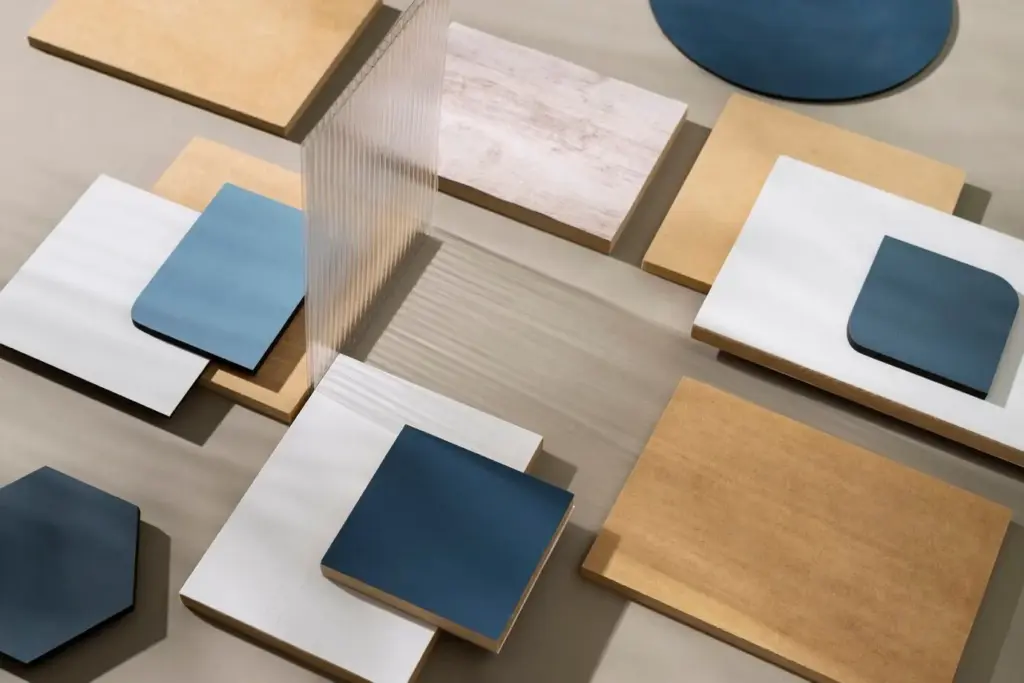
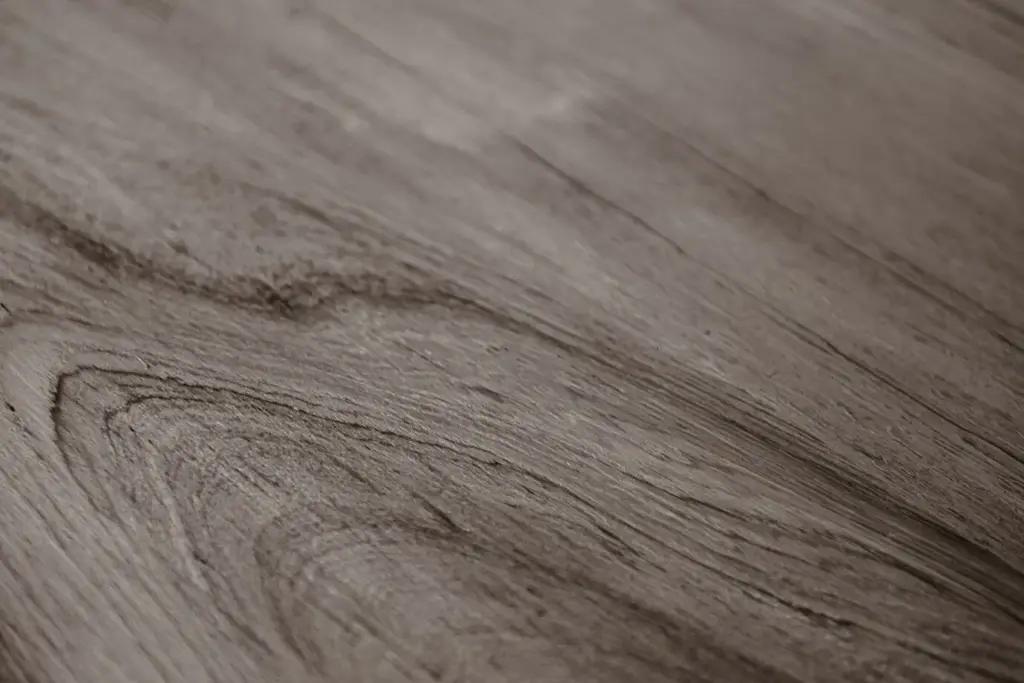
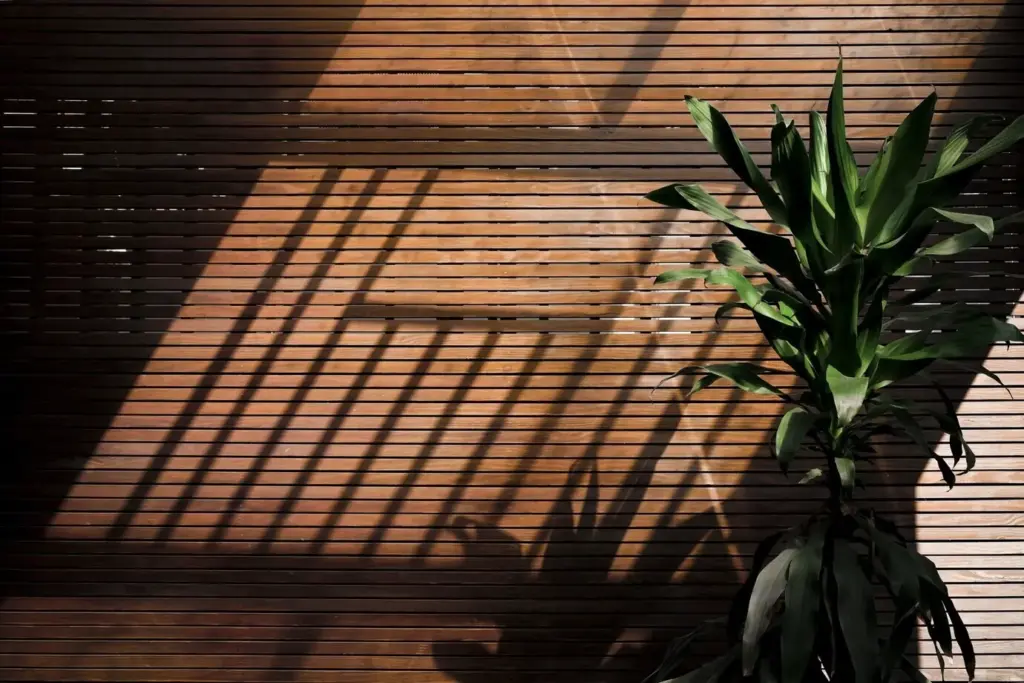
Color, Contrast, and Texture Influence Scale
The same repeat can read dramatically differently depending on color contrast, gloss level, and surface texture. High-contrast knots, bright highlights, and glossy sheen amplify rhythm, while quieter tones and matte finishes soften edges, downplay duplication, and support an airy, forgiving sense of space.
Grain Contrast and Knot Density
Dramatic cathedral grain and frequent dark knots can look exciting in a showroom, yet in tight quarters those repeating accents quickly announce themselves. To calm things down, prefer mid-value tones, gentler grain flow, and sparser knot density combined with abundant image variation across cartons.
Stone-Look Modules and Grout Lines
With tile or stone-look laminate, grout-line thickness sets a visible grid that can overpower compact rooms if modules are oversized. Choose narrower joints, smaller tiles, and a closer repeat, or color-match grout tones to adjacent hues to quiet the visual lattice.
Plan Before You Buy: Specs, Math, and Mockups
Great results begin at the store, not on installation day. Study spec sheets for image count, repeat length, and plank width. Use simple ratios, room sketches, and dry layouts to preview rhythm, prevent clusters, and align expectations with the product’s real-world behavior.
Real Rooms, Real Lessons
Stories make the numbers believable. These quick case notes trace how scale and repeat choices changed spaces that felt busy, cramped, or bland. Borrow the tactics, avoid the regrets, and share your own wins so others can leapfrog the learning curve.
Narrow Hallway Rescue
A long corridor looked like zebra stripes because a high-contrast oak repeat aligned with bright morning light. We mixed three cartons, rotated boards, and switched to a subtler tone. The rhythm softened, reflections calmed down, and the hallway visually stretched by a surprising margin.
Studio Apartment Calm
A compact studio felt frantic under large-format stone-look panels with thick grout lines. Replacing them with a fine-grain ash laminate offering twelve faces and a modest repeat transformed the mood. Furniture grounded itself, and a single rug now defines zones without visual conflict.